Source Ergonomic Cervical Pillow for Hotel, Neck, and Bedding
Find 30 ergonomic cervical pillow options for hotel, neck, and bedding applications. Compare woven and handmade designs with memory foam or polyester filling. View specifications, customization, and pricing details for bulk sourcing; compare the available evidence and request quotations based on your requirements.
Key considerations
Products List




Comprehensive Sourcing Guide
Ergonomic Cervical Pillow Sourcing Guide
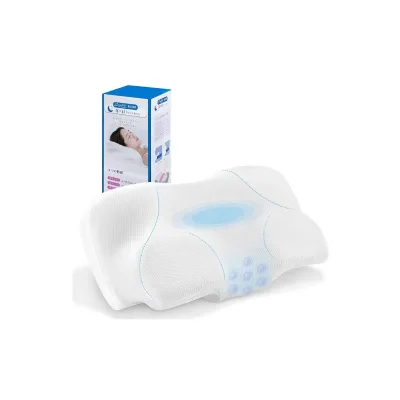
Buyers must first distinguish between the specific ergonomic profiles observed in the current market, as the data indicates a split between square and oblong shapes designed for different neck support needs. The observed listings reveal products with memory foam filling specifically targeting the head and neck, alongside woven polyester options that may serve decorative or general bedding purposes. This distinction is critical because a pillow optimized for deep sleep therapy may not align with a buyer seeking a decorative hotel amenity, requiring a clear definition of the intended application before engaging suppliers.
Procurement teams should verify that the customization capabilities align with their brand requirements, as the supply base explicitly supports OEM and ODM services with custom logo and design acceptance. The presence of multiple material options, including 100% polyester and PU, alongside varying filling types like memory foam, suggests a flexible manufacturing environment. However, buyers must confirm that the specific ergonomic contour they require is available within the supplier's current production lines, as the observed models range from simple striped designs to complex memory foam structures with specific dimensions.
Product Scope and Observed Listing Signals
The observed product range demonstrates a clear segmentation between functional therapeutic devices and general bedding accessories, with features ranging from anti-static and magnetic properties to basic massage and therapy functions. Buyers should note that while some listings highlight advanced features like memory foam for deep sleep, others focus on standard woven polyester construction suitable for hotel or decorative use. This variance implies that a single supplier may offer a broad catalog, necessitating careful filtering to ensure the selected item meets the specific ergonomic and functional criteria of the target market.
Price and minimum order quantity signals indicate a highly variable commercial landscape, with observed MOQs ranging from single items to 2000 units and prices spanning from $1 to $17.78 USD. This wide disparity suggests that buyers must align their order volume with the appropriate product tier, as high-volume orders may access lower price points but require adherence to stricter MOQs like 200 or 500 pieces. Understanding these commercial signals is essential for budgeting, as the cost structure is heavily influenced by the chosen material, filling type, and the level of customization required for the final product.
Technical Specifications to Verify
Dimensional accuracy is a primary verification point, as the observed standards list specific measurements such as 57×37×12 cm and 60×38×14 cm, which directly impact the ergonomic fit for different user demographics. Buyers must confirm that the selected model's dimensions correspond to the intended body part support, whether for the neck, back, or head, as the data shows distinct specifications for different product models like JTY241 and 166#. Verifying these physical attributes ensures the pillow provides the necessary structural support without causing discomfort or failing to meet the ergonomic promises made to end consumers.
Material composition and filling density require rigorous validation to ensure durability and performance consistency across the supply chain. The data indicates a mix of 100% polyester fabrics and memory foam fillings, with some products utilizing PU materials and specific fabric counts like 40. Procurement teams should request detailed specifications on the memory foam density and polyester blend ratios, as these factors determine the pillow's ability to retain shape and provide the advertised therapeutic benefits. Additionally, confirming the weight specifications, which range from 1 to 1.65 kg, helps in planning logistics and ensuring the product feels substantial enough to justify its price point.
Compliance and Safety Documentation
While the observed data does not explicitly confirm certification status for all listed items, buyers should treat the mention of CE, EN 14058, and OEKO-TEX as potential verification targets rather than guaranteed attributes. It is essential to request current test reports and compliance certificates from suppliers to ensure that the memory foam and textile materials meet international safety standards for chemical emissions and flammability. Relying on the assumption that all products are certified without documentation poses a significant risk, especially when importing into markets with strict regulatory requirements for bedding and health-related products.
Safety documentation must also cover the specific manufacturing processes, particularly for products claiming advanced features like magnetic or anti-static properties. Buyers should verify that the suppliers have documented quality control procedures for the integration of these features, ensuring they do not compromise the structural integrity of the pillow or pose safety hazards to users. The absence of explicit certification data in the initial listing signals necessitates a proactive approach where the buyer mandates proof of compliance as a condition of the purchase order, rather than assuming adherence based on general market trends.
Cost Drivers and Commercial Terms
The cost structure for ergonomic cervical pillows is heavily influenced by the complexity of the customization and the specific materials selected, with memory foam and custom designs commanding higher price points than standard woven polyester options. Buyers should anticipate that orders requiring custom logos, specific colorways, or unique packaging will incur additional setup fees and potentially higher unit costs. Understanding these cost drivers is vital for negotiating effectively, as the observed price range suggests that significant savings can be achieved by standardizing on existing designs or reducing the level of customization required.
Commercial terms regarding lead times and sample availability are critical for supply chain planning, with observed sample times ranging from 3 to 7 days and MOQs varying significantly between 200 and 500 pieces. Procurement teams must clarify the production lead time after sample approval, as this can vary based on the supplier's capacity and the complexity of the order. Additionally, buyers should negotiate flexible payment terms and clarify the handling of shipping costs, as the observed packing methods range from cartons to PE rolls, which can impact the overall landed cost and logistics efficiency.
Supplier Qualification and Quality Control
Supplier qualification should focus on verifying their capacity for OEM and ODM services, as the data confirms that most suppliers accept custom designs and logos. Buyers must assess the supplier's ability to maintain consistency across large production runs, particularly when dealing with memory foam fillings that can vary in density and recovery rates. It is advisable to conduct on-site audits or request detailed quality assurance protocols to ensure that the supplier can consistently meet the specified dimensions and material standards required for the ergonomic performance of the pillow.
Quality control measures must extend beyond the final product inspection to include raw material verification and in-process checks. Buyers should require suppliers to implement strict controls on the memory foam curing process and the stitching quality of the woven polyester covers to prevent defects like uneven filling or seam failures. Establishing a clear acceptance criteria based on the observed specifications, such as weight tolerances and dimensional accuracy, will help mitigate the risk of receiving substandard goods and ensure that the final product meets the ergonomic expectations of the end user.
Long-Term Procurement Checks
Sustaining a successful procurement relationship requires regular performance reviews to ensure that the supplier continues to meet the evolving quality and delivery standards of the buyer. Buyers should establish a schedule for periodic audits and quality checks, focusing on the consistency of the memory foam filling and the durability of the fabric over time. This proactive approach helps identify potential issues early, such as material degradation or changes in production processes, allowing for timely corrective actions before they impact the supply chain or brand reputation.
Long-term success also depends on maintaining open communication channels regarding market trends and product innovation, as the ergonomic pillow market is dynamic and competitive. Buyers should encourage suppliers to share insights on new materials or design improvements that could enhance the product's value proposition. By fostering a collaborative relationship, buyers can ensure a steady supply of high-quality ergonomic pillows that adapt to changing consumer preferences and regulatory requirements, securing a competitive advantage in the marketplace.
FAQs
What materials are used for ergonomic cervical pillows?
These pillows typically use 100% polyester fabric with memory foam filling for optimal support. Some variants feature PU material or inflatable designs for adjustable firmness. The filling ensures durability and comfort, while the outer cover can be customized in color and pattern to meet specific branding or aesthetic requirements for hotel and home use.
Can I customize the logo and packaging for these pillows?
Yes, OEM and ODM services are widely available for these products. Buyers can request custom logos, specific packaging types like cartons or PE rolls, and tailored designs. This flexibility allows businesses to brand the pillows effectively for retail or promotional purposes, ensuring the final product aligns with their unique market identity and quality standards.
What are the standard specifications for these cervical pillows?
Standard dimensions vary, with common sizes including 57x37x12 cm and 60x38x14 cm. Some models are square or oblong, weighing between 1 and 1.65 kg. These specifications are designed to support the neck and head effectively. Buyers should verify exact dimensions with suppliers to ensure compatibility with their specific product requirements and target audience preferences.
What is the typical MOQ for ordering these pillows?
The minimum order quantity usually ranges from 200 to 500 pieces, depending on the supplier and customization level. Some vendors may accept lower MOQs for standard items, while custom designs often require higher volumes. Buyers should confirm the specific MOQ with the manufacturer to plan their inventory and budgeting effectively for their initial procurement order.
How long does it take to produce a sample?
Sample production typically takes 3 to 7 days. This timeframe allows manufacturers to create a prototype for quality verification before bulk production begins. Buyers can use this period to check material quality, stitching, and overall comfort. Expedited options may be available for urgent needs, but standard lead times ensure thorough quality control and accuracy.
Which body parts do these pillows primarily support?
These pillows are designed to support the neck, head, and back. They are often used for massage, therapy, and healthy sleep promotion. The ergonomic shape helps align the cervical spine, reducing strain. Some models also serve decorative purposes in hotels or homes, combining functional health benefits with aesthetic appeal for a versatile user experience.